
Does Tea Contain Microplastics? (And Should You Stop Drinking It?)
Right now the internet is doing what it always does: taking a real scientific finding and turning it into a lifestyle panic. But is the fear justified?

Hi, Toby here. A few months ago we wrote about tea and the heart – and we love the wonderful plant compounds and mindful moments that a good cup of tea brings:
It lowers blood pressure.
It improves blood vessel function.
It’s full of polyphenols that protect arteries.
So naturally… my social media feed decided to ruin it.
Recently I started seeing podcasts and clips claiming:
“One cup of tea contains millions - even billions - of microplastics.”
Now this could be a problem, because I drink a lot of tea. Often 3+ cups a day.
And I’m also someone who deliberately avoids plastics
I always use:
stainless steel food containers
metal water bottles
glass storage
So hearing that one of my healthiest habits might secretly be my biggest source of plastic exposure was genuinely unsettling.
But like everything in health social media we have to question:
Is this actually true, and does it matter for your heart?
Let’s slow down and look at the science.
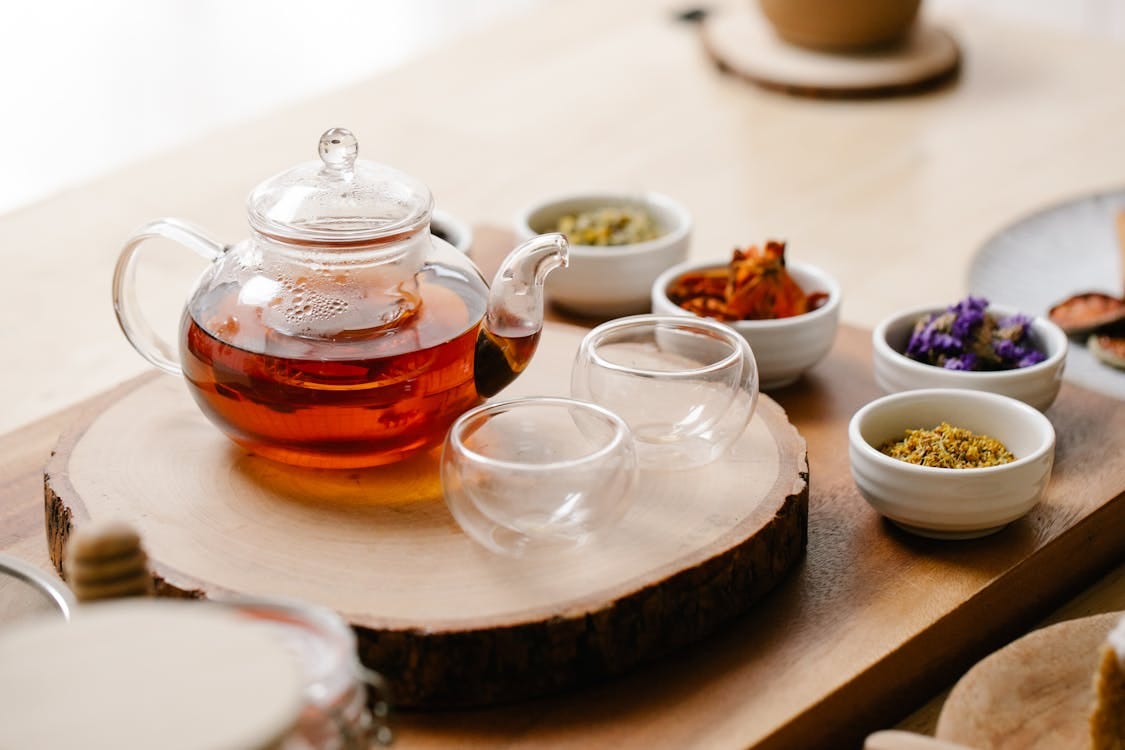
🧪 First — What Are Microplastics?
Microplastics are extremely tiny plastic fragments.
They come from:
• food packaging
• synthetic clothing fibres
• bottled water
• plastic containers
• and yes — some tea bags
They’re now found almost everywhere in the environment and even in human blood and tissues.
Researchers are concerned because they may trigger inflammation and oxidative stress, both of which are major drivers of atherosclerosis (artery plaque formation).
So the worry isn’t imaginary.
But tea is where things got over-dramatic.
🍵 The Study That Started the Panic
In 2019, scientists tested certain plastic pyramid tea bags (the silky, see-through ones).
They brewed them in boiling water and measured what came out.
The result:
A single plastic tea bag released billions of micro- and nano-plastic particles into the drink.
Yes… billions.
So why?
Because some tea bags are not paper.
They’re made from:
nylon
polypropylene
or plastic-sealed mesh
Hot water breaks these materials down when we brew our teas.
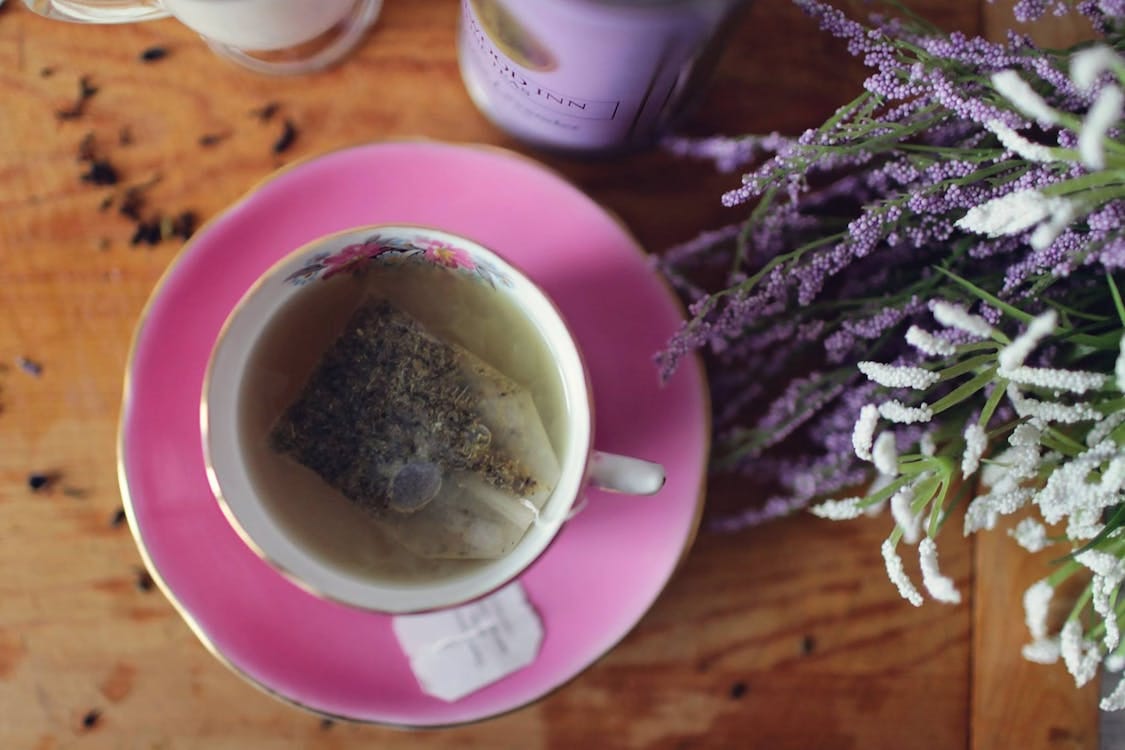
But Here’s The Crucial Part Most Posts Skip
Not all tea bags are plastic.
This is where the internet massively oversimplifies.
There are actually three different tea bag types:
1) Plastic mesh / pyramid bags
(Highest microplastic release)
Often premium teas and “silky” bags. But check with each brand because not all pyramid bags are made of plastics.
2) Paper tea bags sealed with polypropylene
(Common supermarket brands)
Contain small amounts of plastic used as glue.
3) Fully cellulose paper tea bags (plastic-free)
Or loose leaf tea
Lowest exposure.
Even news coverage emphasises the difference and recommends loose-leaf or biodegradable bags if concerned. (EatingWell)
So the viral claim
“tea is full of microplastics”
isn’t really accurate.
Certain tea bags are.
Tea itself isn’t inherently tied to this problem.
❤️ So… Is It Dangerous?
Here’s where we need honesty.
We currently do not have clear human evidence that tea-bag microplastics cause heart disease.
But we do have biologically plausible concerns.
Microplastics may:
• irritate the gut lining
• activate immune responses
• increase inflammatory signalling
And inflammation is central to heart disease.
However, importantly:
We have far stronger evidence that tea protects the heart:
lowers LDL oxidation
improves endothelial function
modestly reduces blood pressure
So you are balancing:
a theoretical harm vs a proven benefit.
Right now, the benefits win.
You should absolutely not stop drinking tea because of this.
You should just drink from whatever teabag material causes you the least anxiety.
☕️ How To Drink Tea Without the Worry
You don’t need to give up tea.
You need to change how you brew it.
Best option
Loose-leaf tea + metal infuser
Very good option
Plastic-free paper tea bags
Try to avoid
Silky pyramid bags
That’s it.
A tiny adjustment not a lifestyle overhaul.
For me, a cup of tea from any source is better than nothing because I find it so grounding and relaxing.
🧠 The Real Health Lesson Here
This story is actually about something deeper and highlights a problematic mindset I always struggle with.
Modern health media constantly pushes us toward anxiety.
But real health isn’t achieved by eliminating every microscopic risk.
It’s achieved by consistent beneficial habits.
Tea:
encourages relaxation
replaces sugary drinks
supports blood pressure
supports vascular health
Those are huge.
Chasing theoretical risks while abandoning proven protective behaviours is how people accidentally become less healthy while trying to optimise.
Even more importantly, it adds unnecessary stress to our lives. Aiming for a healthier lifestyle is a wonderful thing, but worrying about optimising every tiny detail will elevate stress and hurt your well-being.
Besides, even if this pursuit prolonged someone’s lifespan is it worth it if you have more anxiety than fun along the way?

❤️ HeartGuard’s Take
Tea is still one of the best daily habits for heart health.
The microplastic concern is real - but manageable.
You don’t need fear.
You need awareness.
Switch to loose-leaf or plastic-free bags if this issue worried you… but keep your ritual.
🔥 Challenge of the Week
Check your tea bags.
If they’re silky or plastic mesh, when they run out consider replacing them with:
• loose leaf tea
• or biodegradable paper tea bags
Same comfort.
Less worry.
Healthier heart.
💬 Question of the Week
How many cups of tea do you drink a day?
We’d love to know - and what your favourite is! I can never resist a lemon and ginger tea or a smooth matcha.
Louis & Toby
HeartGuard
